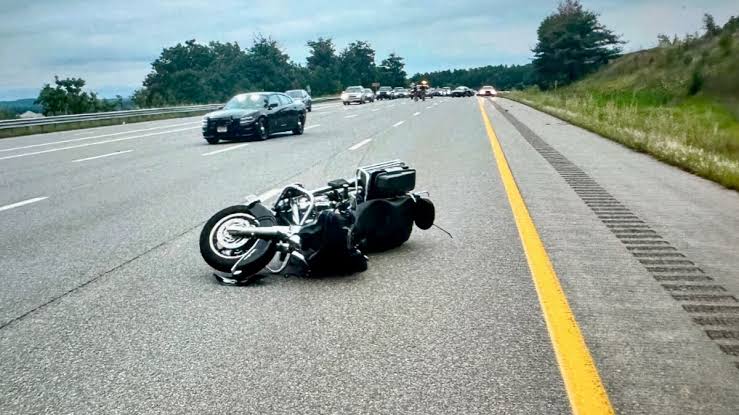
A hit-and-run motorcycle accident can leave an injured rider facing far more than physical pain. When the at-fault driver vanishes, victims are frequently left wondering who will cover their losses in addition to medical care and motorbike damage. Although these situations are more challenging than typical traffic collisions, they do not necessarily prevent an injured motorcyclist from pursuing compensation. Knowing what usually happens after a hit-and-run incident can help riders make informed decisions during a stressful time.
The Priority Is Personal Safety
Immediately after a hit-and-run collision, personal safety should come before anything else. Moving to a secure location, if possible, and requesting emergency medical assistance are the priorities.
Even if injuries appear minor, a medical evaluation is important because adrenaline can temporarily hide symptoms. Early treatment also creates an official record that connects the injuries to the accident.
Law Enforcement Begins An Investigation
Police officers investigate hit-and-run crashes by documenting the accident scene and collecting available evidence. Their report may include details about:
- The location of the collision.
- Vehicle debris.
- Tire marks.
- Witness information.
- Nearby surveillance cameras.
- Descriptions of the fleeing vehicle.
This information often serves as the starting point for locating the driver responsible for the crash.
Witnesses Become Especially Valuable
In contrast to many other accidents, hit-and-run cases frequently depend on people who saw the collision. Witnesses may remember important details such as the color of the vehicle, partial license plate numbers, distinctive damage, or the direction the driver traveled after leaving the scene.
Even small observations can help investigators narrow their search and identify the vehicle involved.
Nearby Cameras May Provide Critical Clues
Modern roadways often contain traffic cameras, security systems, and business surveillance equipment. These recordings sometimes capture the collision itself or the fleeing vehicle moments afterward.
Because many camera systems automatically overwrite footage within days or weeks, locating potential recordings quickly improves the likelihood that valuable evidence can be preserved before it disappears.
Insurance Coverage May Still Be Available
Many riders assume that compensation is impossible if the driver cannot be identified. In reality, some insurance policies include uninsured motorist coverage that may provide financial protection in qualifying hit-and-run situations.
Coverage varies depending on the policy and state regulations, making it important to carefully review available insurance benefits before assuming no options exist.
Individuals seeking legal help for a motorcycle accidentoften begin by understanding which insurance protections may apply when the at-fault driver remains unidentified.
Building A Strong Claim Without The Other Driver
Although the responsible motorist may never be found, evidence still plays an important role in supporting a claim. Helpful documentation often includes:
- Police reports.
- Medical records.
- Photographs of the scene
- Motorcycle damage.
- Witness statements.
- Surveillance footage.
- Emergency response records.
Together, these materials help establish how the collision occurred and demonstrate the extent of the injuries sustained.
Medical Recovery Should Remain The Focus
Hit and run investigations sometimes take months to produce results. During that time, injured riders should continue attending medical appointments and following treatment recommendations.
Keeping records of surgeries, rehabilitation sessions, prescription medications, and physician evaluations creates a detailed history of recovery that may become important during insurance or legal proceedings.
People pursuing legal help for motorcycle accidentsfrequently benefit from maintaining organized documentation while allowing investigators to continue searching for additional evidence.
Legal Guidance Can Help Navigate Complex Situations
Hit-and-run motorcycle accidents often involve unique legal and insurance questions. It can be challenging to determine available coverage, preserve evidence, communicate with insurance, and comprehend filing deadlines, particularly in cases when the culpable driver has not been identified.
Obtaining legal help for motorcycle accident in Denver allows injured riders to better understand the available options and evaluate the next steps based on the specific facts of their case.
Conclusion
Although there is ambiguity following a hit-and-run motorbike accident, financial compensation is still possible. Prompt medical treatment, a thorough police investigation, witness cooperation, surveillance footage, and careful documentation all contribute to building a stronger claim. Even when the fleeing driver remains unknown, insurance coverage and other legal options may still provide meaningful assistance. By acting quickly and preserving available evidence, injured motorcyclists place themselves in a better position to protect their rights while focusing on healing after a traumatic collision.