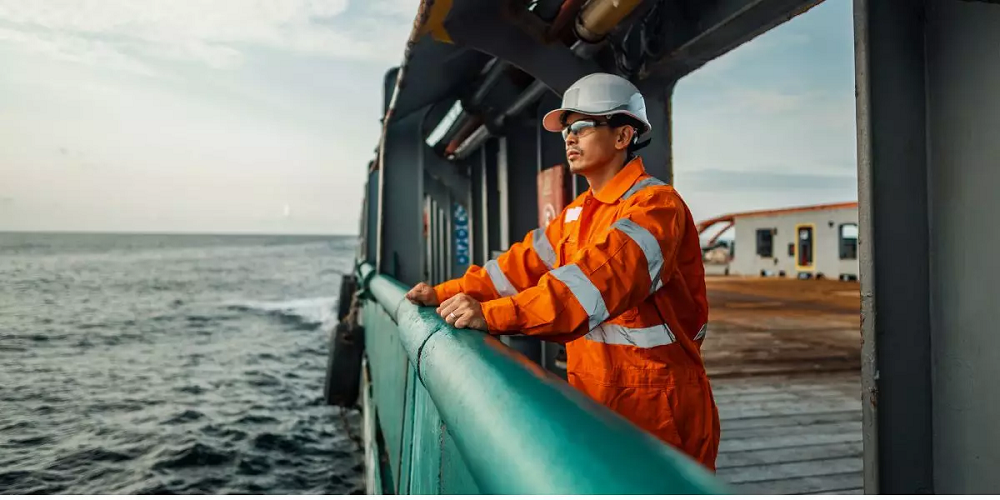
Maritime work in South Texas often means long hours on vessels, rigs, and docks where the Gulf’s shifting conditions can turn routine tasks into dangerous ones. When an injury happens, the path to recovery runs through a unique legal landscape with rules that differ from typical land-based workplace claims. Understanding how the Jones Act, general maritime law, and longshore protections fit together helps injured workers make smart decisions from day one. The Omar Ochoa Law Firm represents seamen and harbor workers in these cases, guiding them on what to document, whom to notify, and how to protect benefits. If you need a seasoned advocate who knows the courts and the coast, a trusted Maritime Injury Attorney McAllen can be the difference between a stalled claim and a successful resolution.
Understanding the Jones Act and Maritime Worker Protections
The Jones Act gives “seamen” a direct claim against their employers when negligence contributes to an injury, creating a powerful tool beyond traditional workers’ compensation. To qualify as a seaman, an employee generally must spend a significant amount of time—often considered around 30 percent—working on a vessel in navigation and contribute to that vessel’s mission. If those criteria fit, the employer’s duty to provide a reasonably safe place to work becomes the centerpiece of a negligence claim. Separately, under general maritime law, a seaman can also assert an unseaworthiness claim when a vessel, its crew, or its equipment are not reasonably fit for their intended use. Early guidance from a Maritime Injury Attorney McAllen helps determine whether a worker’s duties and assignment meet the legal definition of “seaman” under the Jones Act.
Eligibility and scope
Workers who do not meet the definition of seaman may still have rights under the Longshore and Harbor Workers’ Compensation Act (LHWCA), which covers longshoremen, ship repairers, and other harbor-based employees. The LHWCA provides wage replacement and medical benefits without proving fault, but it also permits third-party lawsuits against negligent vessel owners in certain scenarios. Meanwhile, seamen maintain the right to “maintenance and cure,” a separate no-fault obligation requiring employers to cover daily living expenses and medical care until maximum medical improvement. The interplay between these regimes can be complex, especially when an employee’s time is split across vessels, docks, and yards. Proper classification at the outset drives strategy, benefit eligibility, and the timeline for action.
McAllen is a regional hub where many families rely on paychecks from offshore platforms, dredges, supply boats, and tug operations tied to the Gulf Intracoastal Waterway and South Texas ports. Workers may embark from Brownsville, Port Isabel, or Corpus Christi, then rotate back home to McAllen between hitches. This geographic reality adds layers to jurisdiction and venue choices, especially when companies are headquartered in one district and operate vessels in another. Coordinating medical care at home while litigating claims tied to incidents offshore demands careful planning. A knowledgeable team helps align the place of filing, the governing law, and the treating physicians so recovery—both legal and physical—moves in tandem.
Common Maritime Accidents Affecting Seamen and Dockworkers
Maritime workplaces combine heavy machinery, moving decks, and volatile weather, so injuries often start with small missteps that cascade. Common incidents include line-handling accidents, falls on slippery decks, and crush injuries during cargo or barge coupling operations. Crane and winch malfunctions can cause catastrophic lifting failures, and confined-space exposures may lead to toxic inhalation or oxygen deprivation. Collisions, allisions, and groundings also trigger injuries from sudden vessel movements that throw crew off balance. Dockworkers face related hazards: forklift mishaps, falling cargo, and gangway failures that occur during frantic loading windows.
High-risk scenarios and causes
When these events are investigated, patterns emerge—poor maintenance, understaffing, and inadequate training frequently surface as root causes. Defective personal protective equipment, worn mooring lines, and unguarded machinery can transform routine tasks into emergency situations. Inadequate weather planning or ignoring small craft advisories exposes crews to swells and wind shear that make deck work treacherous. Poor communication during simultaneous operations—like bunkering, cargo loading, and vessel movements—sets the stage for confusion and injury. The law recognizes these operational realities; under the Jones Act and general maritime law, employers and vessel owners are accountable for hazards they knew or should have known about.
After an accident, small decisions have a big impact on the claim. Reporting the incident promptly, requesting medical evaluation offshore or dockside, and photographing the scene preserve crucial details. Names and contact information of witnesses, including dock personnel and tug crews, can be hard to retrieve later if companies rotate workers rapidly. Medical records should accurately reflect that the injury occurred in the course of maritime employment, noting vessel names and locations if possible. Working with a Maritime Injury Attorney McAllen early ensures that incident reports are complete, timelines are preserved, and evidence is secured before it disappears.
Proving Employer Negligence in Offshore Injury Cases
Negligence under the Jones Act requires showing that the employer’s breach of duty played even the slightest part in causing the injury—a standard often called “featherweight causation.” This means inadequate training, unsafe procedures, or the failure to maintain equipment can meet the threshold when linked to the accident. Unseaworthiness claims run on a parallel track, focusing on whether the vessel, its gear, or the crew were not reasonably fit for their purpose. Together, these claims increase leverage, especially where a defective condition and poor management intersect. The strategy is evidence-driven: timelines, maintenance logs, and safety manuals often tell a story that eyewitness recollection alone cannot.
Evidence strategy and expert testimony
Building a strong case begins with preserving critical records before they are altered or lost. Vessel logs, planned maintenance systems, pre-job safety analyses, and hot work permits reveal whether procedures were followed. Electronic data—AIS and VDR captures, onboard camera footage, engine diagnostics, and GPS tracks—can reconstruct how a casualty unfolded. Safety management systems and audit histories show patterns of shortcuts or repeated deficiencies, helping to establish foreseeability. An experienced trial team coordinates marine safety experts, human factors specialists, and naval architects to explain how small failures added up to a preventable injury.
Discovery battles often hinge on prompt, well-crafted preservation letters and follow-up subpoenas that leave no room for selective disclosure. Employers may argue comparative fault, claiming a worker misstepped or rushed a job; still, under the Jones Act the bar for causation remains worker-friendly. Documented understaffing, missing guards, defective tools, or ignored hazard reports undermine blame-shifting tactics. The Omar Ochoa Law Firm approaches these disputes by anchoring claims to objective records, not just memory, and by demanding compliance with international and company-specific safety standards. When the evidence is organized from the outset, settlement negotiations and trial presentations become clearer, faster, and more persuasive.
Maintenance and Cure Benefits for Injured Maritime Employees
Unlike negligence claims, the duty to pay maintenance and cure arises regardless of fault, so long as the injury occurred in the service of the vessel. “Maintenance” covers day-to-day living expenses when a seaman cannot work; “cure” pays for medical treatment that is reasonable and necessary until maximum medical improvement. Unearned wages may also be owed through the end of the voyage or hitch, depending on the contract. If an employer willfully refuses to pay valid maintenance and cure, courts can award attorney’s fees and even punitive damages. This framework encourages prompt care, so injuries do not worsen due to delay or financial pressure.
Calculating benefits and protecting access
Determining a fair maintenance rate requires documenting actual living costs, which vary by household and region. Cure includes doctor visits, diagnostics, surgery, therapy, medications, and travel if specialized care is required, and the worker generally has the right to choose a treating physician. Employers sometimes push independent medical examinations or prematurely declare maximum medical improvement to halt payments. Good recordkeeping forestalls these tactics and builds credibility with claims handlers and judges. The following steps help protect access to benefits:
- Keep receipts for rent, utilities, groceries, and transportation to support a realistic maintenance rate.
- Maintain a treatment journal noting appointments, symptoms, work restrictions, and physician recommendations.
- Save all authorizations, referrals, and denied claims letters to track the cure process and identify delays.
- Communicate in writing about missed or delayed payments, and request explanations referencing the policy or company procedure.
Texas-based crews often receive initial care near the port, then continue treatment back home in the Rio Grande Valley. Coordinating specialists, physical therapy, and follow-up imaging from McAllen requires advance approvals and clear documentation of medical necessity. When payments slow or stop, a swift legal response can restart benefits and preserve the right to additional damages if the refusal was arbitrary. A Maritime Injury Attorney McAllen can also ensure that acceptance of maintenance and cure does not inadvertently waive a negligence or unseaworthiness claim. In cases where disputes arise over rates or medical choices, the Omar Ochoa Law Firm presses for full, timely benefits while preparing the broader injury case for settlement or trial.
How Timely Legal Action Protects Workers’ Compensation Rights
Deadlines in maritime law are unforgiving, and missing one can sink a strong case. Jones Act negligence and general maritime law claims typically must be filed within three years of the injury, but evidence grows harder to obtain with each passing month. LHWCA claims require notice to the employer within 30 days, with a formal claim generally due within one year, and exceptions are narrow. Offshore injuries can also involve federal statutes like the Death on the High Seas Act, which have their own timelines and rules. Acting quickly preserves choice of venue, strengthens leverage in negotiations, and ensures witnesses and records are secured before they vanish.
Documentation and preserving claims
The clock starts ticking on day one, making early documentation essential. Incident reports should be accurate, complete, and free of rushed or boilerplate language that minimizes hazards or pain. Medical records need to link the injury to the maritime job, list all affected body parts, and reflect ongoing symptoms to avoid gaps. Wage statements, tax returns, and hitch schedules support lost income claims and future earning capacity calculations. If you change doctors, keep referral notes and imaging reports; consistent, organized files reduce disputes with insurers and defense counsel.
Maritime workers in McAllen often juggle travel to coastal terminals, multilingual crews, and contracts with out-of-state owners, all of which complicate jurisdiction and service of process. Selecting where to file can influence everything from discovery scope to jury pools, so forum strategy should be considered alongside medical recovery and family needs. When the employer coordinates repairs, replacements, or offshore transfers, legal counsel can move for preservation orders before key logs or components are lost. Near the end of a case, strict attention to liens, Medicare set-aside issues, and structured settlements protects the net recovery. For workers who need a steady, informed advocate through all phases, the Omar Ochoa Law Firm aligns fast action with careful documentation so rights under the Jones Act, general maritime law, and the LHWCA remain intact.