Fiallo & Sanzo’s Rideshare Accident Practice and What Passengers Can Bring to an Initial Consultation

A passenger may remember where an Uber or Lyft ride started and what happened inside the car, while the booking details sit in someone else’s account. That can happen when a friend requests a ride for a group or a family member books it on the passenger’s behalf. For someone preparing to contact a law firm after a crash, it helps to start with the trip itself and identify where each detail came from.
Law Offices of Fiallo & Sanzo, PLLC lists rideshare accidents among its personal injury practice areas and identifies passengers injured during an Uber or Lyft ride as one example. The firm is based in Tampa, Florida. Its rideshare practice page describes the kinds of incidents the firm handles and includes a consultation request form. Call Us
Start with the trip record
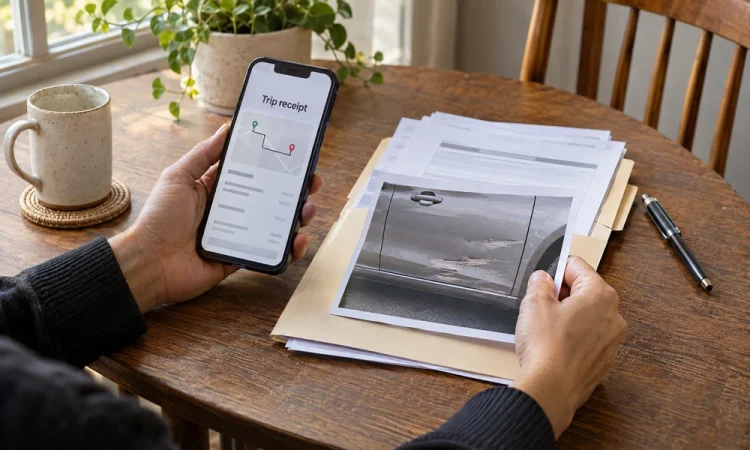
An app entry or emailed receipt is a practical starting point. If available, it may show the booking date, pickup location, intended destination or a trip reference. A passenger whose friend booked the ride can ask that person for a copy of the trip details. A short note identifying who booked the ride and who was in the car puts that record in context.
The intended route and the location of the crash are worth recording separately. A receipt could show a hotel as the destination, while the passenger remembers that the collision happened shortly after the car left a restaurant. A nearby intersection, business name or landmark may be easier to remember than a street address. A passenger can leave an exact location blank if it remains unclear.
Keep trip details and later messages together
A passenger may have an app receipt in email, a photograph on a phone and a message about the crash in the rideshare app. Grouping available items by trip can save time when the passenger wants to refer to a particular message or image during an initial conversation. If the passenger already received a support reference number or has a crash report number, those can go in the same notes.
A brief timeline can start with pickup, move to what the passenger remembers about the collision and end with any messages or calls afterward. A passenger can label each detail by source. For example, a pickup time might come from the receipt, the location from the passenger’s memory and a photo from another rider. Approximate times can be marked as estimates.
Bring the questions that are still open
Someone contacting Fiallo & Sanzo might ask which trip details would be useful to share, how to send records privately or what information to look for if the app receipt is missing. A passenger who only has a few details can start with a short account of the ride and a list of records that may still be available. That gives the conversation a clear starting point, even when another person booked the trip or some details are still uncertain.